Best Seasons for Siding Service
Selecting the optimal time for siding service depends on various factors including weather conditions, temperature, and the specific type of siding material. Proper timing ensures the durability and quality of the installation or repair process, minimizing potential issues caused by weather disruptions.
Spring offers moderate temperatures and lower humidity, ideal for siding installation. It allows sufficient time for curing and settling before harsher weather arrives.
Summer provides longer daylight hours, but high temperatures can affect certain siding materials and adhesives, making early morning or late afternoon installations preferable.
Fall typically has mild weather and less rain, making it a good time for siding projects before winter sets in.
Winter is generally less suitable due to cold temperatures, snow, and ice, which can hinder proper installation and curing.
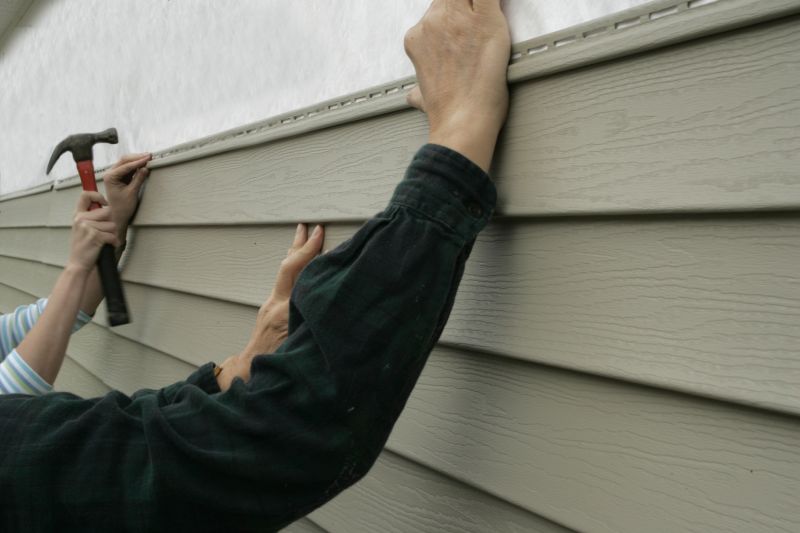
Spring's mild weather supports effective siding installation, reducing weather-related delays.
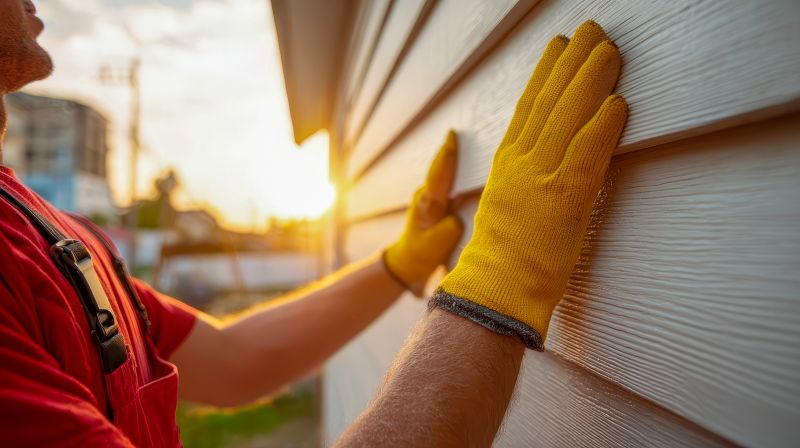
Summer is suitable for repairs and maintenance during cooler parts of the day.
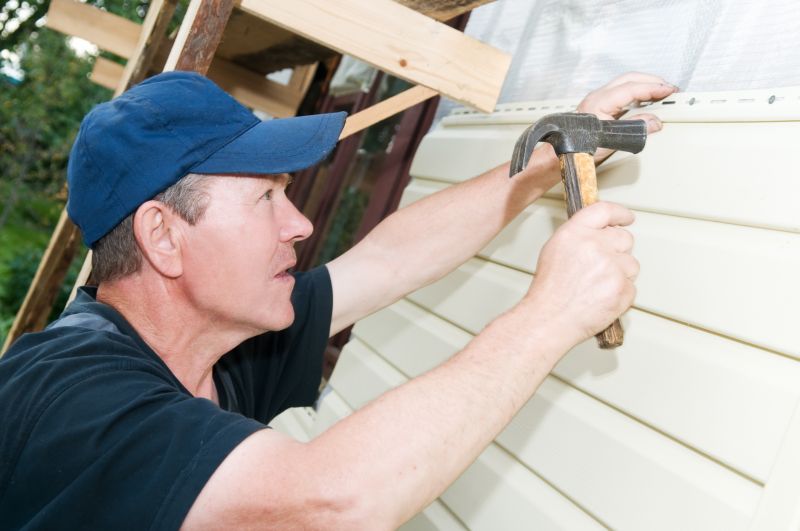
Fall allows for preparation of siding before winter, ensuring protection and durability.
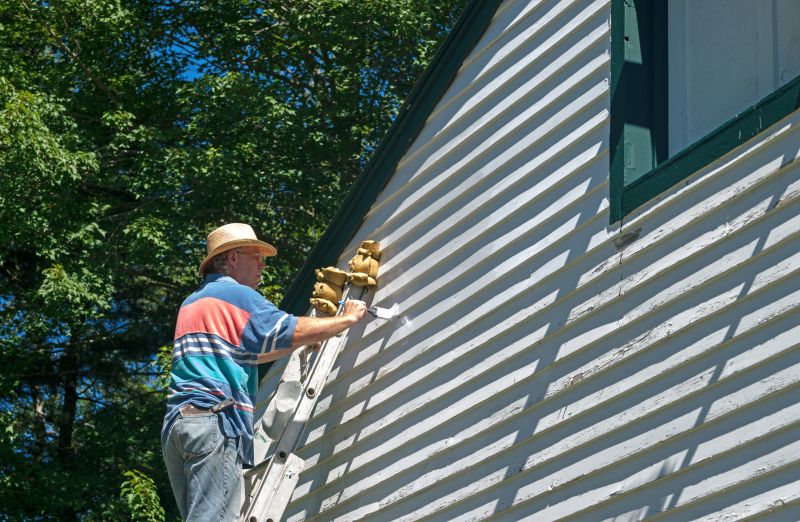
Winter work is generally avoided due to weather constraints, but some projects may be scheduled if conditions permit.

Understanding seasonal impacts helps in planning effective siding services for durability and appearance.
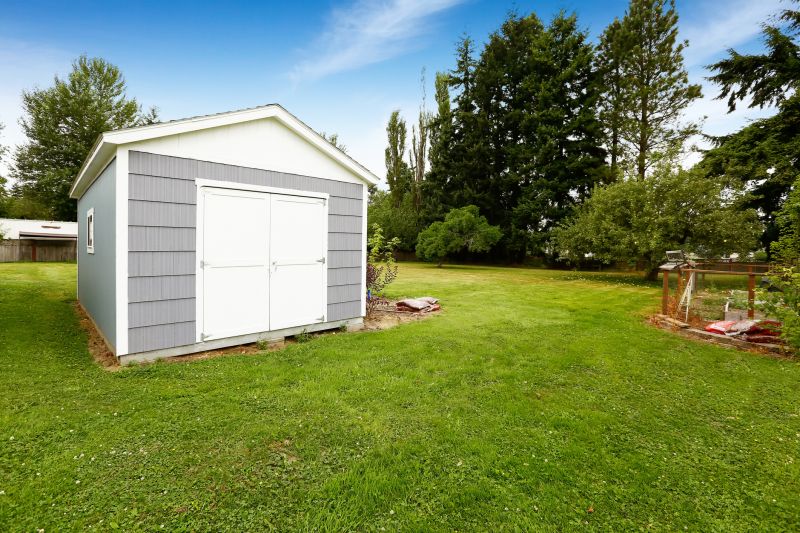
Ways to make Siding Service work in tight or awkward layouts.
| Season | Ideal for Siding Service |
|---|---|
| Spring | Yes |
| Summer | Conditional |
| Fall | Yes |
| Winter | No |
| Early Fall | Optimal |
| Late Spring | Good |
| Late Summer | Less Ideal |
| Early Winter | Not Recommended |
Siding service encompasses a range of activities including installation, repair, and maintenance of exterior wall coverings. Properly installed siding enhances curb appeal, provides insulation, and protects structures from weather elements. The choice of siding material—such as vinyl, fiber cement, or wood—impacts the best timing for service, as each responds differently to temperature and humidity. Accurate scheduling can prevent issues like warping, cracking, or improper adhesion, which are more likely to occur if work is performed under unsuitable conditions.
Statistics indicate that siding installation during favorable weather conditions results in fewer callbacks and higher customer satisfaction. For example, projects completed in spring and fall tend to have a 15-20% lower rate of material issues compared to summer or winter installations. Planning siding work during these optimal periods can ensure long-lasting results and reduce the need for future repairs.
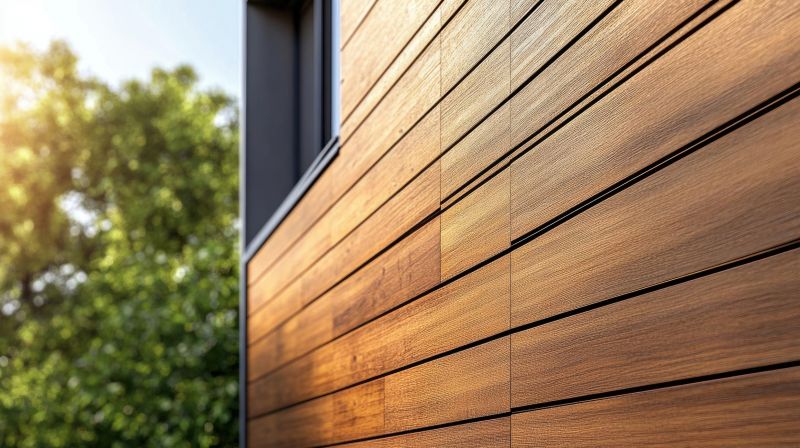
Spring provides ideal conditions for siding installation, with moderate temperatures and low humidity.
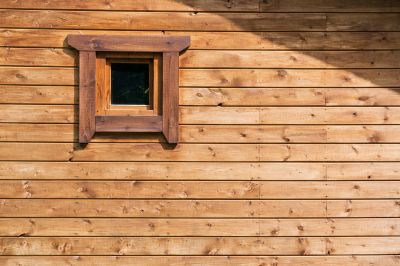
Fall offers a window to complete siding projects before winter, ensuring protection and insulation.
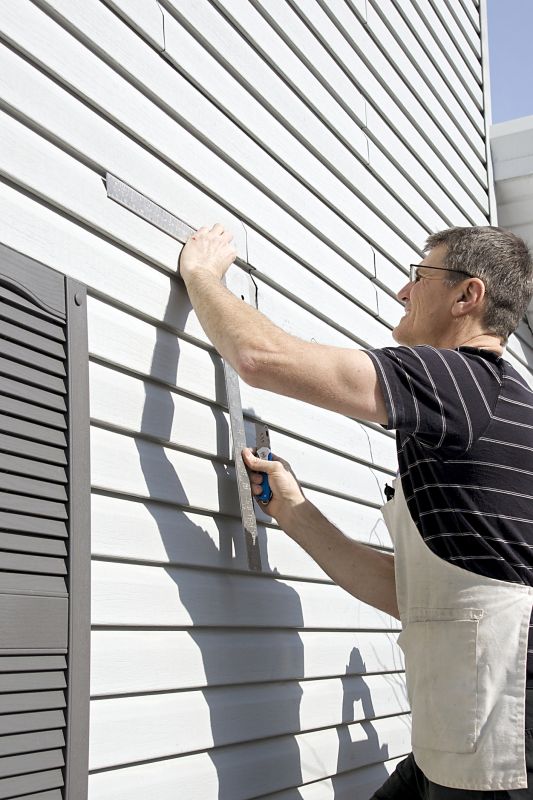
Summer is suitable for repairs during cooler parts of the day to avoid heat-related issues.
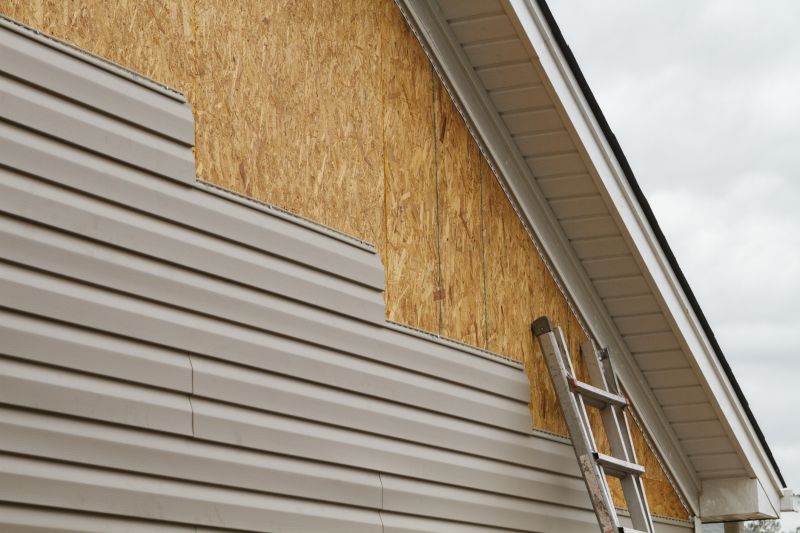
Winter's cold and moisture make siding work difficult and less reliable.
Interested property owners in Marlton, NJ, are encouraged to contact for scheduling siding services during the most suitable seasons. Proper timing enhances the longevity and appearance of siding, providing long-term value and protection for properties.